OS
Olyver SturdivantOrthodontic Insurance Verification in 2026: Why Your PMS Alone Is Not Enough
Key Takeaways
- Orthodontic insurance verification is fundamentally more complex than general dental eligibility checks. Lifetime maximums, age limits, waiting periods, coordination of benefits, and separate orthodontic riders make every verification a multi-step process.
- Most orthodontic PMS platforms (Cloud 9, Dolphin PMS, Ortho2 Edge Cloud, Dentrix Ascend) offer some form of eligibility checking, but none verify full orthodontic benefits in real time during a patient phone call.
- Manual orthodontic insurance verification takes 15 to 30 minutes per patient. Front desk staff at busy practices spend hours each week on hold with insurance companies.
- AI-powered orthodontic insurance verification during inbound calls can reduce that process to under 10 seconds and provide answers while the patient is still on the line.
Orthodontic insurance verification is one of the most time-consuming tasks in an orthodontic front office. It is also one of the most consequential. Getting it wrong means surprising patients with unexpected costs, processing claims that get denied, and creating financial friction that erodes trust at the exact moment a patient is deciding whether to start treatment.
Despite its importance, orthodontic insurance verification remains a largely manual process in most clinics. Front desk staff call insurance companies, navigate automated phone trees, wait on hold, transcribe benefit details by hand, and enter the information into the PMS. This process repeats for every new patient and periodically for existing patients throughout their treatment.
The technology to change this exists. But understanding why most current solutions fall short requires understanding what orthodontic insurance verification actually involves.
What Makes Orthodontic Insurance Verification Different
General dental insurance verification is relatively straightforward. Check whether the patient has active coverage, confirm their deductible and annual maximum, and verify that the planned procedure code is covered. For a cleaning or a filling, the verification process is quick and the benefit structure is predictable.
Orthodontic insurance verification is a different animal entirely.
Lifetime maximums instead of annual maximums. Most orthodontic benefits have a lifetime maximum, not an annual one. This means the verification process must determine not just whether orthodontic coverage exists, but how much of the lifetime benefit has already been used, whether a prior orthodontic claim was filed under a different plan, and what the remaining benefit is.
Separate orthodontic riders. Orthodontic benefits are frequently structured as a separate rider on a dental insurance plan. A patient can have active dental insurance with no orthodontic benefit, active dental insurance with a separate orthodontic rider, or orthodontic coverage that only applies to dependents under a certain age. The verification process must identify which scenario applies.
Age limitations. Many orthodontic plans limit coverage to patients under a specific age, often 19 or 26. Verifying whether a patient qualifies requires checking age-specific terms that vary by plan and by state.
Waiting periods. Some plans impose waiting periods before orthodontic benefits become active. A patient who signed up for insurance two months ago may not have orthodontic coverage yet, even though their dental benefits are fully active.
Coordination of benefits. When a patient has coverage under two plans (common for children covered under both parents' insurance), the orthodontic verification process must determine primary and secondary coverage, calculate the combined benefit, and identify any coordination-of-benefits limitations.
Coverage percentage variations. General dental coverage is often structured as 100/80/50 (preventive/basic/major). Orthodontic coverage percentages vary widely, from 50% to 80%, and may apply differently to different age groups or treatment types.
This complexity is why a front desk team member can spend 20 to 30 minutes verifying orthodontic insurance for a single patient. When you look at what this verification process actually costs, the numbers are staggering. Multiply that by five new patient inquiries per day, and you have consumed a significant portion of your front desk capacity before anyone has walked through the door.
How PMS Platforms Handle Insurance Today
Every major orthodontic PMS offers some form of insurance management. Understanding what each platform provides clarifies where the gaps remain.
Cloud 9 orthodontic software includes insurance-related features for claims processing, benefit tracking, and financial management. The platform handles orthodontic billing complexity including treatment contracts and phased payment plans. Cloud 9 does not perform real-time orthodontic insurance verification during patient phone calls.
Dolphin PMS offers insurance tracking and claims management within its practice management module. The platform integrates with clearinghouses for electronic claims submission. Dolphin does not provide AI-powered insurance verification or real-time benefit checks during inbound calls.
Ortho2 Edge Cloud includes insurance processing as part of its all-in-one platform, with integrated features for benefit tracking and claims management. Edge Cloud handles orthodontic financial contracts and payment plans. Like the other platforms, it does not verify insurance in real time during patient phone calls.
Dentrix Ascend recently introduced Eligibility Pro, which can check insurance eligibility for patients before appointments. The platform's AI features can capture insurance data from photos of insurance cards. However, Dentrix Ascend's orthodontic capabilities are secondary to its general dental focus, and its eligibility checking does not perform the full orthodontic benefit analysis that orthodontic clinics need.
The common thread: PMS platforms handle insurance as a record-keeping and billing function. They track what has been entered. They do not discover what the patient's benefits are during the conversation when the patient is asking "does my insurance cover braces?"
Orthia verifies orthodontic insurance in under 10 seconds during the call. Book a demo
The Cost of Manual Orthodontic Insurance Verification
The direct cost of manual verification is straightforward to calculate. If a front desk team member earns $18 to $22 per hour and spends 20 minutes verifying a single patient's orthodontic insurance, that verification costs roughly $6 to $7 in labor. At 25 new patient inquiries per week, the labor cost of insurance verification alone is $150 to $175 per week, or roughly $7,800 to $9,100 per year.
But the direct labor cost is the smaller problem. The indirect costs are what actually hurt.
Delayed responses lose patients. When a prospective new patient calls and asks "does my insurance cover orthodontics?", the honest answer from most front desks is "I'll need to call your insurance company and get back to you." That callback happens hours or days later. By then, the patient may have called another clinic that gave them an answer faster.
Hold time displaces higher-value work. Every minute a front desk team member spends on hold with an insurance company is a minute they are not greeting patients, processing payments, handling scheduling changes, or performing other revenue-generating activities. The opportunity cost is real.
Errors create downstream problems. Manual transcription of benefit details introduces errors. A misrecorded lifetime maximum, an incorrect copay percentage, or a missed age limitation can result in a treatment presentation with wrong numbers, a denied claim, or a billing surprise that damages the patient relationship.
Inconsistency across staff. Different team members verify insurance differently. Some are thorough. Some take shortcuts. The quality of information entering your PMS depends on who happened to make the call. This inconsistency creates unreliable data that compounds over time.
AI-Powered Orthodontic Insurance Verification
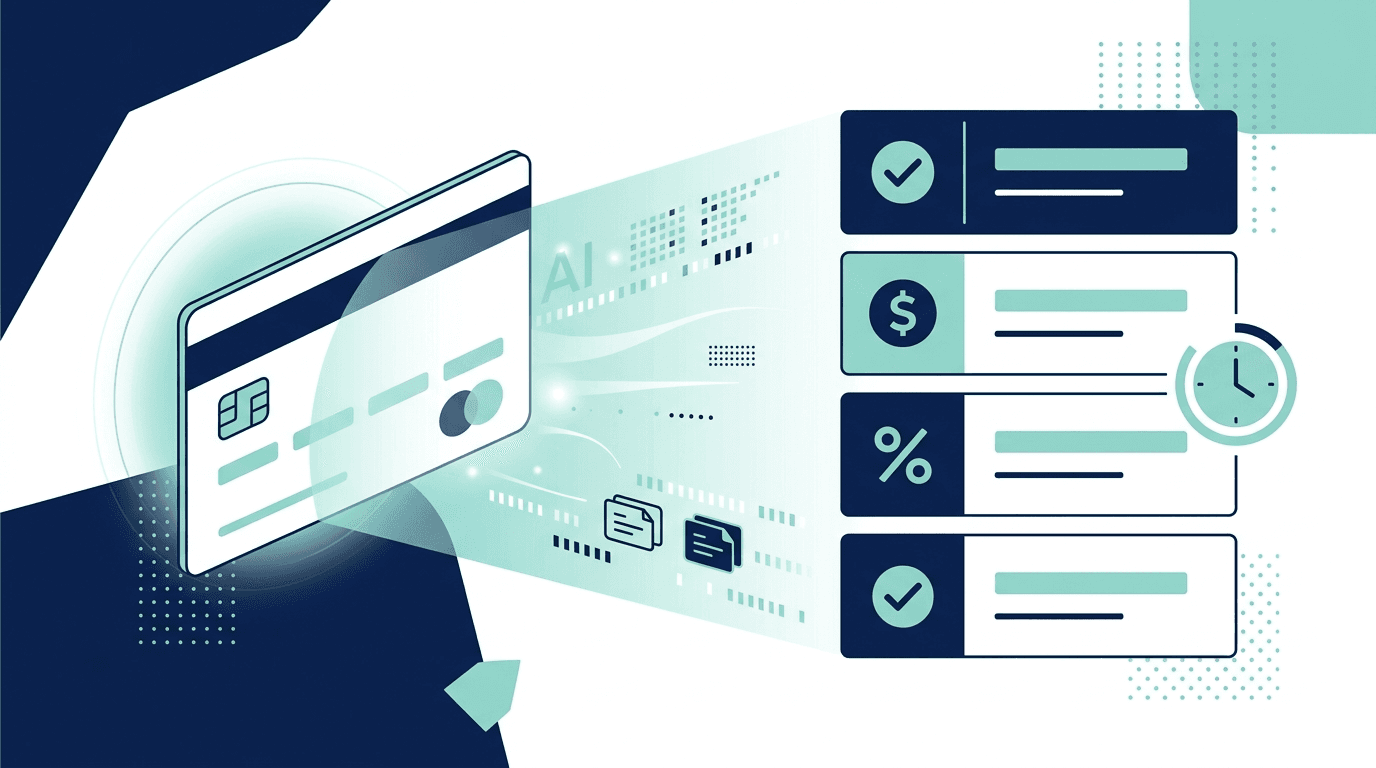
AI-powered orthodontic insurance verification takes a fundamentally different approach. Instead of calling insurance companies manually, the system queries insurance databases electronically and returns structured benefit data in seconds.
When integrated into an AI front desk tool, insurance verification happens during the patient's call. A parent calls to ask about coverage for their child's braces. The AI collects the insurance information, runs the verification, and provides an answer while the caller is still on the line. The entire process takes under 10 seconds.
The verification includes the specific data points that matter for orthodontic clinics: whether orthodontic coverage exists, the lifetime maximum, remaining benefits, age limitations, waiting periods, coverage percentages, and whether a prior orthodontic claim has been filed.
This changes the patient experience and the clinic's conversion economics. Instead of "we'll call you back," the answer is "your plan covers orthodontic treatment up to [amount] with [percentage] coverage." That immediate answer keeps the patient engaged and moves them toward booking a consultation.
What an AI Native PMS Could Look Like
The current reality is that orthodontic insurance verification AI is a separate layer that sits on top of or alongside the PMS. The PMS manages the schedule and the billing. The AI handles the phone call and the insurance query. Data flows between them through integration.
An AI native PMS would collapse these layers. Insurance verification would be a native function triggered automatically when a patient calls, when an appointment is booked, or when a treatment plan is presented. The AI would not be an add-on. It would be how the system works.
No orthodontic PMS is AI-native in this sense in 2026. Dentrix Ascend is moving in this direction within general dentistry, with its AI-powered Digital Forms and Claire support agent. But the orthodontic-specific platforms — and a detailed comparison of Cloud 9, Dolphin, and Ortho2 confirms this — have not yet integrated AI insurance verification into their core workflows.
For orthodontic clinics today, the practical approach is pairing a strong PMS with a purpose-built AI tool that handles the verification process. The technology exists. The integration works. The PMS does what it does well, and the AI handles what the PMS was never designed to do.
Stop spending hours on insurance calls. Let Orthia verify benefits during every patient call. Book a demo
Implementing AI Insurance Verification in Your Practice
Adding AI-powered orthodontic insurance verification to an existing practice workflow involves several practical considerations.
PMS compatibility. The AI tool must integrate with your existing PMS. If you run Cloud 9, Dolphin, Ortho2, or Dentrix, confirm that the AI platform has a working integration that reads from and writes to your system. Listing a PMS as "supported" is different from having a production-tested integration that handles orthodontic-specific data fields.
Staff workflow adjustment. AI insurance verification does not eliminate the need for staff to understand insurance. It changes when and how they interact with insurance data. Instead of spending time on the phone with insurance companies, staff review verified benefit data that has already been collected and entered. Training should focus on interpreting AI-verified data, spotting edge cases that need manual follow-up, and understanding the limitations of electronic verification.
Patient communication. Practices should decide how to present AI-verified insurance information to patients. Providing a verified benefit summary at the first consultation builds trust and demonstrates professionalism. It also reduces the number of follow-up calls needed to clarify financial questions.
Edge cases and manual fallback. Not every insurance verification can be completed electronically. Some plans have unusual structures, some carriers have limited electronic data availability, and some situations (like coordination of benefits across plans from different employers) may require manual verification. The AI tool should flag these cases for staff follow-up rather than providing incomplete information.
Choosing the Right Approach for Your Practice
If your orthodontic clinic currently spends significant staff time on insurance verification calls, AI-powered verification is likely the highest-ROI technology investment you can make in 2026. The math is straightforward: the time savings and conversion improvements typically exceed the cost of the tool within the first month.
The key decision is whether to adopt a standalone insurance verification tool or an AI front desk platform that includes verification as part of a broader call handling solution.
A standalone verification tool reduces the insurance call burden but does not address the other front desk challenges (missed calls, after-hours inquiries, appointment booking). An AI front desk platform like Orthia (sometimes searched as "orthea") handles the complete inbound call workflow, with insurance verification built into the conversation rather than treated as a separate process.
For orthodontic clinics that are losing patients to missed calls and slow insurance responses, the integrated approach produces the most measurable results. The phone call, the insurance question, and the appointment booking happen in a single interaction rather than three separate workflows.
Frequently Asked Questions
Manual orthodontic insurance verification typically takes 15 to 30 minutes per patient. This includes calling the insurance company, navigating phone trees, waiting on hold, asking questions about specific orthodontic benefits, and transcribing the information into the practice management system.
Most orthodontic PMS platforms (Cloud 9, Dolphin, Ortho2 Edge Cloud) include insurance tracking and claims management but do not perform real-time orthodontic insurance verification during patient calls. Dentrix Ascend offers Eligibility Pro for pre-appointment eligibility checks, but this is not orthodontic-specific benefit verification.
Dental eligibility confirms that a patient has active dental insurance and checks basic coverage details like deductibles and annual maximums. Orthodontic insurance verification goes further, checking whether the plan includes an orthodontic rider, the lifetime maximum for orthodontic benefits, remaining benefits, age limitations, waiting periods, coverage percentages, and prior orthodontic claims.
AI-powered systems query insurance databases electronically rather than calling insurance companies by phone. The system collects patient insurance information, runs the query, and returns structured benefit data within seconds. When integrated into an AI front desk tool, this verification happens during the patient's phone call, providing answers while the caller is still on the line.
Electronic insurance verification pulls data from the same databases that insurance company representatives access when you call them. The accuracy is comparable to manual verification but without the transcription errors that occur when staff manually record benefit details. Edge cases with unusual plan structures may still require manual follow-up.
Yes. Orthia verifies both dental and orthodontic insurance eligibility and benefits during inbound patient calls, typically in under 10 seconds. The verification includes lifetime maximums, remaining benefits, age limitations, waiting periods, and coverage percentages specific to orthodontic treatment.
OS
Olyver Sturdivant
Contributing writer at Orthia AI.
Related Articles
Industry Insights
Best AI Phone Answering Services for Orthodontic Clinics in 2026
Read more
Industry Insights
Cloud 9 Orthodontic Software in 2026: What It Does, What It Doesn't, and What to Pair It With
Read more
Industry Insights
Dolphin PMS vs Dentrix Ascend vs Ortho2 Edge Cloud: Which Orthodontic Software Should You Choose in 2026?
Read more